
What to Pack for Suriname
Complete packing checklist tailored to Suriname's climate and culture
Climate Overview for Suriname
Suriname sits just north of the equator, offering a temperate tropical climate defined by warmth and moisture. The air carries a consistent, heavy dampness. You will feel the humidity cling to your skin the moment you step outside. Days are typically hot, with the sun casting sharp shadows on the colonial architecture of Paramaribo. While the country experiences two wet seasons, sudden downpours can arrive with little warning, turning streets into shallow rivers and filling the air with the petrichor scent of wet earth. Pack lightweight, breathable fabrics that dry quickly. Bring reliable rain protection. Choose gear that can withstand persistent dampness.
Clothing & Footwear
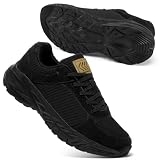
Exploring the uneven brick streets of Paramaribo's historic center or wandering through the Central Market demands supportive footwear. Choose shoes with breathable material to cope with the humid heat.

The constant humidity in Suriname means clothes do not dry easily. Quick-dry underwear matters. It helps manage laundry and staying comfortable, if you plan to visit the interior rainforests.

A packable daypack works well for carrying a water bottle, rain jacket, and souvenirs from the Waterkant market. It folds away when not needed, saving space in your main luggage.
Electronics & Gadgets

Suriname uses Type C, Type F, and Type A sockets, with 127V/220V electricity. A universal adapter ensures you can charge devices anywhere, from Paramaribo guesthouses to jungle lodges.

Power outlets can be scarce during long day trips to the Commewijne River plantations or Brownsberg Nature Park. A high-capacity power bank keeps your phone and camera charged for navigation and photos.

Having multiple durable cables is wise. The tropical climate can accelerate wear. You will want backups for charging multiple devices from your power bank during excursions.

Older buildings in Suriname may have limited outlets. A compact power strip with multiple USB ports lets you charge your phone, camera, and power bank from a single socket.
Toiletries & Health

A basic kit is necessary for treating minor cuts, insect bites, or blisters from walking. While pharmacies exist in Paramaribo, having immediate supplies matters, outside the capital.

Solid shampoo and conditioner bars eliminate the risk of liquids leaking in your bag in the tropical heat. They also work well for multi-day trips to rustic jungle resorts.
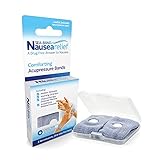
Essential if you take boat trips on the Suriname River to see dolphins or visit the historic Fort Zeelandia, or for travel on winding interior roads.

Keeps essential medications dry and organized in the humid climate. Ensure you bring an adequate supply, as specific brands may not be readily available in Suriname.
Documents & Security
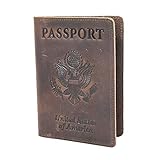
Keeps your passport, Suriname visa, and vaccination certificate secure and organized. Useful for navigating arrival at Johan Adolf Pengel International Airport and hotel check-ins.

A discreet way to carry cash and cards while exploring busy areas like the Central Market in Paramaribo. It provides peace of mind in crowded situations.

Secure your checked luggage on flights to Suriname and also use them to lock backpacks or lockers if staying in shared accommodation.
Comfort & Convenience
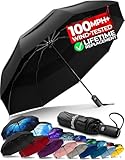
Suriname's rain showers are intense and can start suddenly. A sturdy, compact umbrella works far better than a disposable poncho for staying dry while sightseeing.

Good for carrying groceries from the market or souvenirs like local spices or crafts. It reduces plastic use and folds into a pocket when empty.

Helpful for sleeping during long flights to Suriname and for blocking early morning light if your accommodation lacks blackout curtains.

Useful for flights and for dampening nighttime sounds in Paramaribo, which can include lively street noise or the calls of tropical birds at dawn.
Outdoor & Hiking Gear
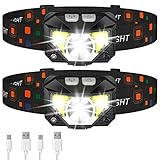
Essential for any visit to the interior. Use it for navigating jungle lodges after dark, early morning birdwatching trips, or during power outages in remote areas.

A necessary safety item for multi-day jungle treks or river expeditions outside of Paramaribo. Never drink untreated water from streams or rivers in Suriname.

A simple safety tool for attracting attention if you become separated from a group on a guided hike in reserves like Brownsberg Nature Park.
Seasonal Packing Adjustments
What to add or skip depending on when you visit
Long Wet Season
April, May, June, July, August
Add: Extra quick-dry clothing, Waterproof bag covers, Insect repellent with higher DEET concentration
Shop Long Wet Season essentials →Rainfall is frequent and heavy. You will hear the constant drumming of rain on zinc roofs. Pack extra socks. Ensure all footwear has good traction for wet surfaces. Mosquito activity increases.
Short Dry Season
February, March
Add: Sun hat with wide brim, High-SPF sunscreen
Shop Short Dry Season essentials →This period offers the most reliable sunshine for photography and beach visits to places like Galibi. The sun feels intensely hot. Hydration is critical even without the cooling effect of frequent rain.
Short Wet Season
November, December, January
Add: Lightweight waterproof jacket, Umbrella
Shop Short Wet Season essentials →Expect sporadic but heavy showers, often in the afternoon. Mornings may be clear and humid. This is a popular time for cultural festivals in Paramaribo, so pack an outfit that can handle a sudden downpour.
Luggage Recommendation
Pack a medium-sized checked suitcase with a carry-on backpack for Suriname. The checked bag holds lightweight clothing and gear. The backpack works as your personal item for flights. It becomes your daypack for excursions. Choose luggage with sturdy wheels. Uneven sidewalks and dirt paths demand it. Visiting the rainforest interior? A durable, water-resistant duffel bag beats a hard-shell spinner. Rugged transport requires it.
Shop Carry-On Luggage on AmazonPro Packing Tips
Practical advice from experienced travelers
Don't Pack
- Heavy jeans or denim jackets. Skip these. They are too hot and take forever to dry in the humidity. You can find lightweight cotton trousers at markets in Paramaribo if needed.
- Expensive jewelry or flashy watches. Avoid drawing unnecessary attention.
- Large bottles of shampoo or shower gel. They add weight and risk leaking. Solid alternatives work better, or buy these items locally at Superette shops in the capital.
- A heavy tripod for casual photography. Skip it. It is cumbersome in the heat. For stable shots in low light, a mini tripod or gorilla pod is sufficient.
- Formal suits or evening gowns. Dress codes in Suriname are generally casual and relaxed, even for nice dinners.
Buy Locally
- SIM cards from Telesur or Digicel. Kiosks at Johan Adolf Pengel International Airport and stores throughout Paramaribo sell local SIMs with data packages, which are more affordable than international roaming.
- High-quality insect repellent. Local pharmacies and stores stock formulations proven effective against region-specific mosquitoes.
- Fresh tropical fruit. Do not pack snacks like apples. Instead, visit the Central Market in Paramaribo to taste sapodilla, starfruit, and fresh coconut water.
- Local crafts and art. Save space in your luggage. Buy beautiful Maroon woodcarvings, handwoven baskets, or paintings directly from artisans at the market.
Packing Hacks
- Roll clothes instead of folding to save space
- Pack shoes in shower caps to protect clothes
- Use packing cubes to stay organized
- Keep essentials in your carry-on
Continue Planning Your Trip
More guides to help you prepare
Ready to plan your trip to Suriname?
Now that you've got the research covered, here's where to go next.